
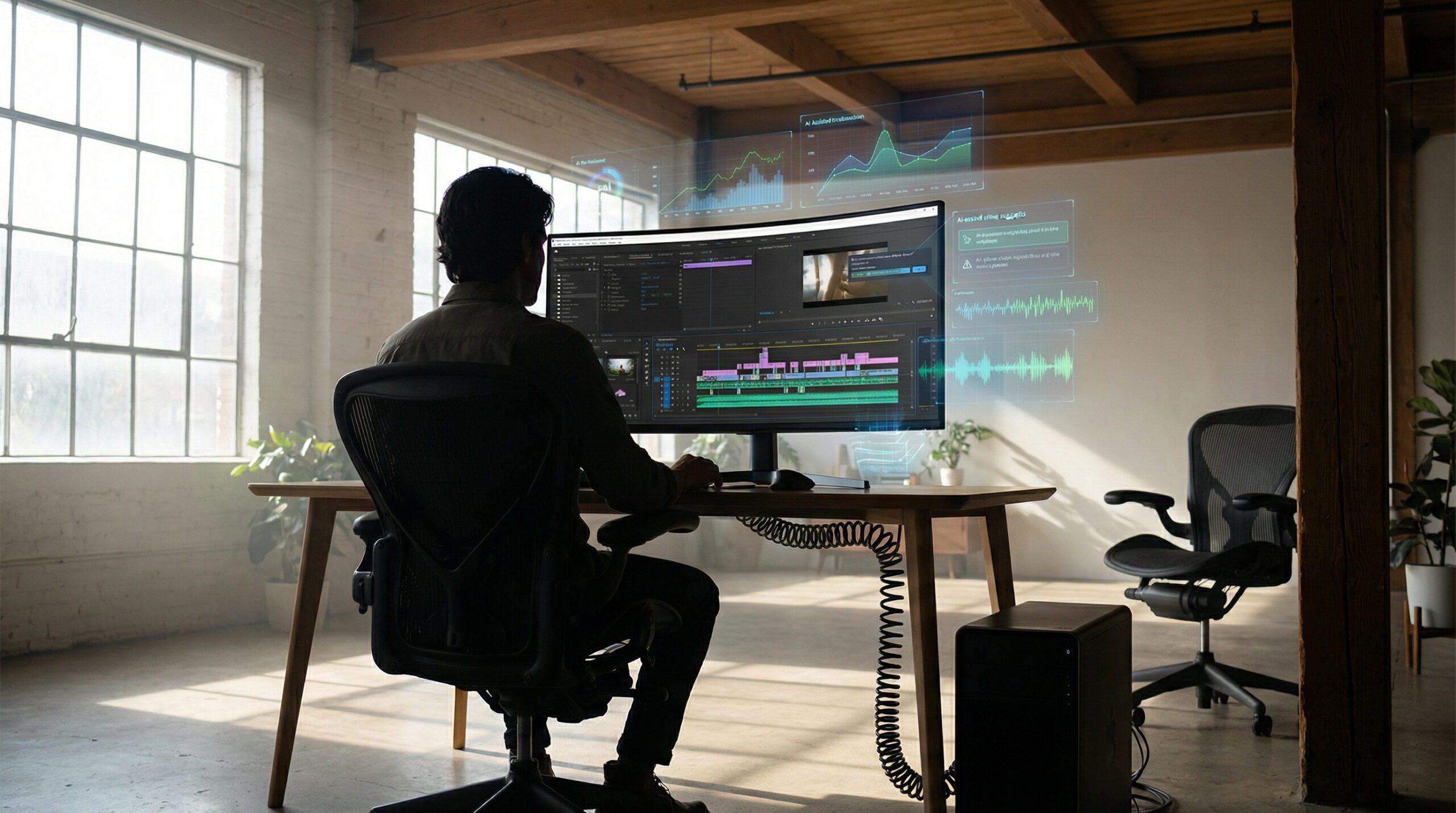
Does Video Editing Have Future? 10 Essential 2026 Trends to Master
By 2026, video content will claim a staggering 82% of all global internet traffic.
Many creators wonder, does video editing have future? Are you just a 'cutter' pushing buttons? Or are you the narrative strategist that brands pay six figures for in an AI-dominated landscape?
I have crafted visual stories for a decade. I started with graphic design in 2015 and now direct projects for international luxury brands. During this time, I witnessed the industry's most violent evolution yet. The tools have changed, but the mission remains the same. We are still in the business of capturing the heartbeat of human attention.
Key Takeaways
- The Strategic Shift: Video editing has transitioned from a technical trade into a high-level "Hybrid Creator" role focused on ROI.
- Retention is King: The 3-second hook is now the non-negotiable industry standard for survival.
- Specialization Pays: Moving into SaaS motion design can nearly double your median salary compared to generalist editing.
- AI as an Ally: Tools like Sora 2 Pro have slashed B-roll costs by 90%, shifting the editor's value from "making" to "curating."
- Functional UX: Motion design is no longer decorative; it is a core requirement for reducing user churn in software products.
- Search Evolution: Visual-first cues and embedded metadata are essential for ranking in LLM-based (AI) search engines.
The 2026 Video Landscape: Does Video Editing Have Future?
The dominance of the visual medium is no longer a prediction. It is our reality. According to Cisco's Annual Internet Report, video now accounts for 82% of all IP traffic. This shift has fundamentally altered how humans consume information. Static content hasn't just slowed down. For the purposes of high-level engagement, it has effectively died.
Why is video the primary language of 2026? It boils down to cognitive friction.
For example, viewers and researchers see that motion design generates 1,200% more social shares than static images. This is because video mimics the way the human brain processes reality—through movement and sound.
For small business owners and marketing managers, the question isn't whether you need video. The real question is: How will you survive the noise? Content floods the internet. To stand out, your video must be more than a sequence of clips. It must be a surgical strike on the viewer's attention.
Video Editing Future: The Shift to Narrative Strategy
Does video editing have future? Yes, but not for the "cutter."
If your value proposition is simply knowing how to use Adobe Premiere Pro, you are competing with automation. You will lose. The future belongs to the narrative strategist. This is an individual who understands the psychological triggers of an audience and uses technical tools to pull those levers.
Moving beyond the 'cutter' mentality requires a shift in focus. You're no longer just trimming clips; you're directing the user's eye. Every frame must serve a purpose. In my experience, great video editing is actually the art of subtraction. You take raw footage and find the "soul" of the story through pacing and rhythm.
"In 2026, you aren't paid for the hours you spend keyframing. You are paid for the strategic decision of where the user's eye should go and how to use motion to decrease the sales cycle." — Habib Ove
This philosophy emphasizes the "Human-in-the-loop" model. For instance, AI can suggest a cut or align a subtitle. However, it cannot replicate the emotional resonance of a perfectly timed pause. It cannot feel the subtle tension of a narrative arc. Your job is to provide the strategic vision while letting AI handle the technical grunt work.
The Rise of the Hybrid Creator in SaaS and Marketing
The era of the siloed specialist is fading fast. When asking does video editing have future, it becomes clear that the most sought-after professionals are Hybrid Creators.
These individuals possess the storytelling instincts of an editor, the technical precision of a motion designer, and the efficiency of an AI prompter. Marketing managers at SaaS companies aren't looking for three different people anymore. They want one creator who can build a cohesive visual ecosystem.
We use tools like Cortex AI to automate the mundane aspects of production. This allows us to scale without sacrificing quality. For example, 58% of marketing videos in 2026 now use AI-generated voiceovers and digital double avatars. This allows a brand to localize content globally at a fraction of the traditional cost.
As a Senior Brand Manager, I've seen how this integration transforms the workflow. We are building products like RankHiker and JustPod because speed is the ultimate competitive advantage. A Hybrid Creator uses these tools to turn a 60-minute podcast into twenty high-impact vertical clips with a single click.
Functional UX: How Motion Design Reduces User Churn
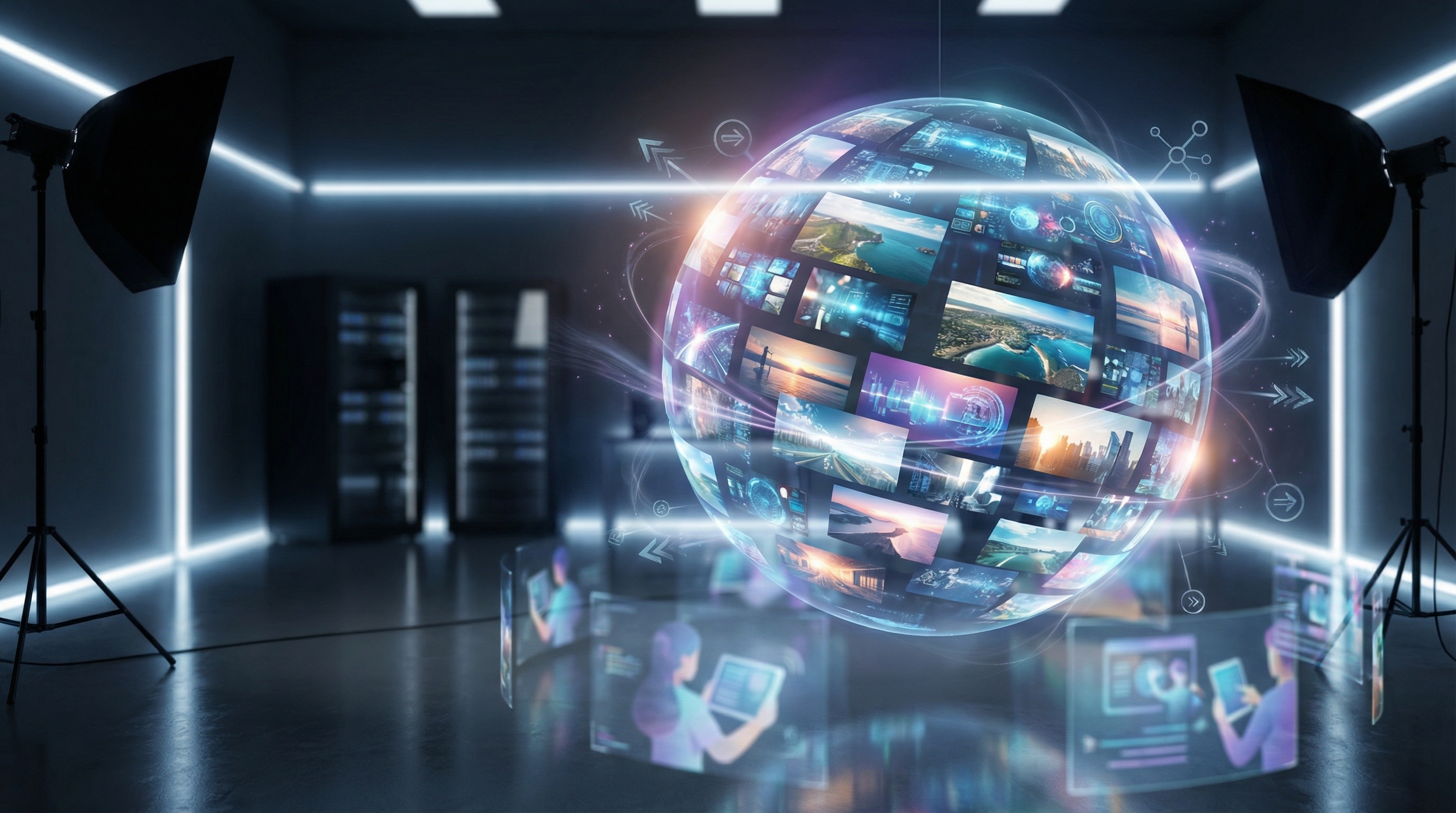
In the SaaS world, motion design has evolved from "decoration" to "Functional UX." This is perhaps the most significant shift when considering does video editing have future.
When you're selling an abstract product—like an AI-powered SEO tool—you can't always film it in action. Motion design fills this gap by visualizing invisible processes. It makes the intangible feel real.
Complex software often suffers from high churn during the first 48 hours of a user's journey. By integrating custom motion-designed tutorials that highlight the UI, you reduce the cognitive load on the user. Instead of reading a long help article, they watch a 45-second animated walkthrough. It "shows" rather than "tells."
Data from my recent projects shows that using animated onboarding can reduce SaaS user churn by 30%. You are effectively a "Product Designer with a Timeline." You're responsible for how premium and reliable the brand feels.
Pro Tip: When designing for SaaS, focus on the "Aha!" moment. Use motion to highlight exactly where the user needs to click to see value. Every animation should answer one question: "How does this make the user's life easier?"
The Great Salary Bifurcation: Generalists vs. Specialists
The financial landscape for creators has split into two distinct paths. Consider the opportunities when asking does video editing have future. Generalists who refuse to adopt AI tools see rates stagnate. However, specialists in AI-integrated production command record-high salaries.
According to industry salary reports, the median salary for a generalist video editor in 2026 hovers around $72,000. Conversely, a Motion Designer specializing in SaaS or Functional UX can easily earn upwards of $138,000 in tech hubs like London or San Francisco.
| Feature | Generalist Editor | Hybrid Creator |
|---|---|---|
| Primary Goal | Cutting footage | Driving business ROI |
| Toolbox | Premiere, Resolve | AI Tools, Motion Design, Strategy |
| Salary Median | $72,000 | $138,000+ |
| AI Usage | Minimal/Threatened | Fully Integrated |
| Value Prop | Technical skill | Narrative strategy |
This $138,000 "Tech Hub Premium" exists because these specialists solve specific business problems. For example, B2B decision-makers convert 30% more when viewing data-driven motion design. Your value becomes undeniable when you prove your videos shorten the sales cycle.
Generative AI Integration: From Sora 2 to Digital Doubles
The disruption of traditional production defines the technical landscape of 2026. Moreover, new AI models like Sora 2 Pro have revolutionized B-roll generation. Editors can now prompt and render scenes in minutes. Previously, this required an expensive stock subscription or a two-day location shoot.
Generative AI is not replacing the editor; it is expanding the editor's toolkit. We use AI to:
- Generate B-roll: Slashing costs by 90% compared to traditional filming.
- Expand Backgrounds: Transforming tight shots into cinematic vistas.
- Create High-Fidelity Textures: Adding
Furthermore, the rise of digital double avatars allows for hyper-personalized content at scale. For SaaS companies, scaling video used to be a logistical nightmare. In addition, we now use digital doubles to create personalized onboarding videos for thousands of users. This makes every single user feel like the video was made just for them.
Mastering the 3-Second Rhythm for Maximum Retention

In 2026, the first two seconds of a video determine 90% of its performance. Viewers have developed an instinctual filter for boredom. If you fail to capture attention immediately, the rest of your narrative is irrelevant.
This has led to the "3-second rhythm" becoming the global industry standard.
Designing for "silent scrollers" is a mandatory part of this strategy. For example, data from Digiday shows users watch up to 85% of social media video without sound. If your edit doesn't work on mute, it doesn't work at all.
What does this look like in practice?
- Using bold, motion-tracked captions.
- Starting with a high-action visual hook.
- Using visual-first cues to explain the value proposition.
The 3-second rhythm isn't just about fast cuts. It's about constant visual evolution. Every three seconds, something on the screen should change—a camera angle, a text overlay, or a subtle zoom—to reset the viewer's attention span.
Video Editing Future: SEO and Visual Search for LLMs
Video SEO has evolved beyond keywords in the description. In 2026, we are optimizing for Large Language Model (LLM) visual searches. AI agents like ChatGPT and Gemini now "watch" videos to extract information for their users.
This makes embedded metadata as critical as the visual edit itself. To rank in this new era, editors must:
- Embed Rich Metadata: Ensure every video file contains detailed descriptions of its visual content.
- Use Visual-First Cues: AI models categorize videos based on what they see in the first few seconds.
- Optimize for Visual Data: Charts and data visualizations should be clear and easily "readable" by AI scrapers.
If an AI assistant can't understand what your video is about, it won't recommend it. It's that simple.
The Evolution of Careers: Skills and Salaries
AI impact on job displacement is a major concern. However, the industry is simply evolving. To succeed, editors must master specific software and AI-hybrid workflows. Salary data shows that specialists earn significantly more than generalists. Furthermore, the skills needed include narrative strategy and retention analytics. We see many successful video editing careers today. Creators often act as creative directors. This proves that does video editing have future for the adaptable pro.
Avoid These 2026 Editing Mistakes
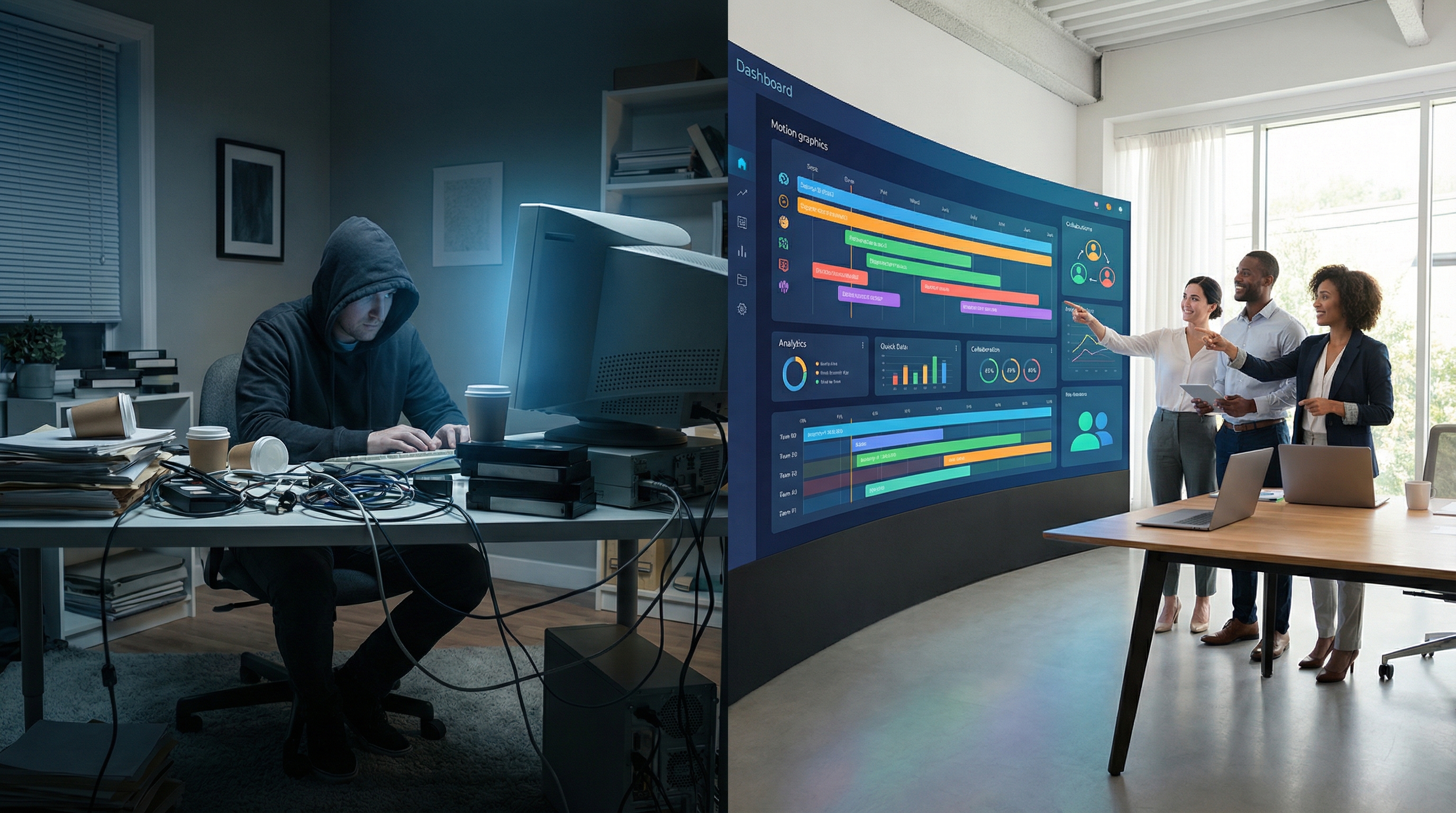
Even with the best tools, many creators fail because they cling to outdated habits. To ensure your career is secure, avoid these common pitfalls:
- Ignoring Silent Scrollers: Do not fail to include captions. Users often watch without audio, so they need visual cues.
- Siloing Motion and Editing: Treating motion design as a separate "decoration" rather than an integrated narrative tool.
- Relying on Generic Templates: In an age of AI-driven personalization, generic templates feel cheap and unprofessional.
- Neglecting Metadata: Thinking that the visual edit is the only thing that matters for SEO.
- Over-reliance on AI: Using AI-generated content without human curation, leading to a "soulless" feel that drives away audiences.
Warning: Relying on generic templates can damage your brand authority. In 2026, users can spot a "stock" look from a mile away. Aim for hyper-personalization through custom assets and digital doubles.
FAQ: Does Video Editing Have Future?
1. How does AI video generation impact the job market for editors in 2026?
AI has eliminated low-level 'grunt work' like rotoscoping and basic cutting. This shift has created a high-paying market for Hybrid Creators who can strategically manage AI tools to produce high-fidelity narratives faster. The market for "button pushers" is shrinking, but the market for strategic storytellers is exploding.
2. What are the highest-paying niches for video editors in 2026?
The highest-paying niches are SaaS motion design, Functional UX video, and B2B data visualization. Specialists in these fields earn nearly double the median salary of generalist editors because they directly impact lead conversion and user retention.
3. How do I improve video content for LLM-based visual search engines?
Improving results requires embedding rich metadata within the video file. In addition, ensure the first 3 seconds contain clear visual cues. This helps AI models categorize the content. Treat your video's visual elements like SEO keywords.
4. What is the difference between a generalist editor and a Hybrid Creator?
A generalist editor focuses on the technical act of cutting footage provided to them. A Hybrid Creator merges narrative strategy, generative AI tools, and motion design to decrease a brand's sales cycle and increase engagement.
5. Why is the 3-second hook so important in 2026?
Modern audiences have developed instinctual filters for boredom. For example, a video must provide immediate value within 2 seconds. If it doesn't, 90% of viewers will scroll past. This happens regardless of the quality of the rest of the video.
Conclusion: Building a Future-Proof Creative Career
The video editing future isn't about the tools you use, but the strategy you set up. As we head through 2026, the demand for visual storytelling has never been higher. However, the bar for entry has shifted. You must move beyond being a technician and become a narrative architect.
Embrace the 'Hybrid Creator' model and master Functional UX. Moreover, integrate AI into your workflow. These steps position you at the top of the creative economy.
The choice is yours. You can stay a generalist and watch your rates stagnate. Alternatively, evolve into a strategist and lead the next era of visual communication.
Ready to future-proof your career and ensure does video editing have future for you? Start evolving your craft today with the latest AI insights at habibove.com.